Table Of Content

You can use home remedies and keep your scalp clean and dry. Folliculitis is a common skin condition that occurs when hair follicles become inflamed and infected. It can appear as red, pus-filled bumps on the skin and can be itchy and painful. While folliculitis can affect anyone, certain factors can increase the risk of developing this condition. In more severe cases, oral antifungal medications may be prescribed. These medications work from the inside out to fight the fungal infection throughout the body.
Seborrheic Dermatitis
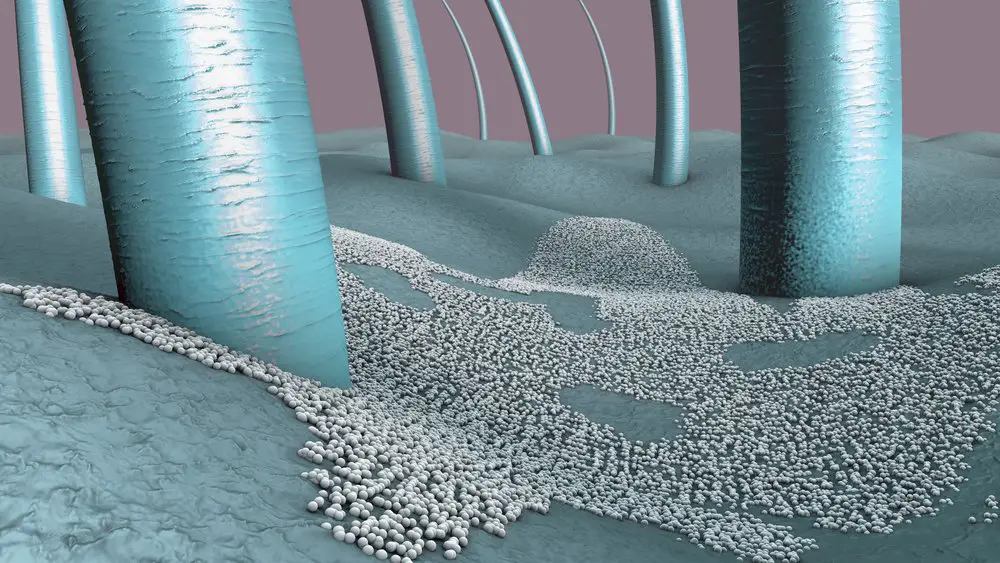
Another bacterium called Streptococcus can also cause impetigo. This bacteria can spread from person to person by skin contact, touching objects, or sneezing and coughing. Ringworm can cause a scaly, red, bald patch anywhere on the scalp. In darker skin types, these patches may appear brown or grayish.
Medication
Staphylococcus bacteria live on the skin and are mostly harmless, but they can cause an infection if they enter damaged skin. If you have any concerns with your skin or its treatment, see a dermatologist for advice. DermNet does not provide an online consultation service.If you have any concerns with your skin or its treatment, see a dermatologist for advice. In cases of zoophilic infection, family pets should be checked by a veterinarian and treated accordingly. Gypseum, originate in the soil and are rare causes of tinea capitis. Expect symptoms to clear up within a few weeks of starting treatment.
Close-up of ringworm of the scalp
It is important to differentiate between a fungal infection and other conditions that may cause similar symptoms, such as dandruff or psoriasis. A dermatologist will be able to accurately diagnose your condition and provide appropriate treatment. By following these preventive measures, you can minimize the risk of developing a fungal infection in your hair and maintain a healthy scalp. One of the most common symptoms of a fungal infection in the hair is persistent itchiness, which can be quite uncomfortable.
Impetigo is a very contagious skin infection that can be caused by Group A Streptococcus (Group A strep) and Staphylococcus aureus, also known as staph. Although anyone can get impetigo, it is most commonly found in children between the ages of 2 and 5. Malassezia can cause scalp infections such as folliculitis, seborrheic dermatitis, and pityriasis versicolor. People can treat psoriasis using topical skin creams, light therapy, and medication taken by mouth.
Ringworm of the scalp
How to avoid getting ringworm from your barber - Daily Mail
How to avoid getting ringworm from your barber.
Posted: Fri, 23 Sep 2022 07:00:00 GMT [source]
These remedies are often effective in treating mild cases of fungal infection and can be used in conjunction with medical treatments prescribed by a doctor. It is important to note that self-diagnosis and self-treatment of a fungal infection in the hair is not recommended. If you suspect you have a fungal infection, it is best to consult a healthcare professional for an accurate diagnosis and appropriate treatment plan.
Can Infections Cause Hair Loss?
If not, everyone could continue to pass the infection back and forth among each other. Children can use antifungal creams or shampoos twice a week for at least six weeks. It’s important to keep your scalp clean and dry as part of your yeast infection treatment. This can also help prevent a yeast infection on your scalp from returning.
What body parts does pityrosporum folliculitis affect?
This response potentially led to some of the respiratory symptoms experienced by these patients. These results, Iliev says, point to the critical role of the gut microbiome in the human immune response and could lead to better disease treatments down the line. It’s important to note that treatment for folliculitis may take several weeks or even months to fully resolve the condition. If you have a persistent rash or bumps that don’t go away after a few days, it’s important to see a doctor. Depending on the type of folliculitis you have, your doctor may recommend a treatment plan to help alleviate symptoms.
What is tinea capitis?
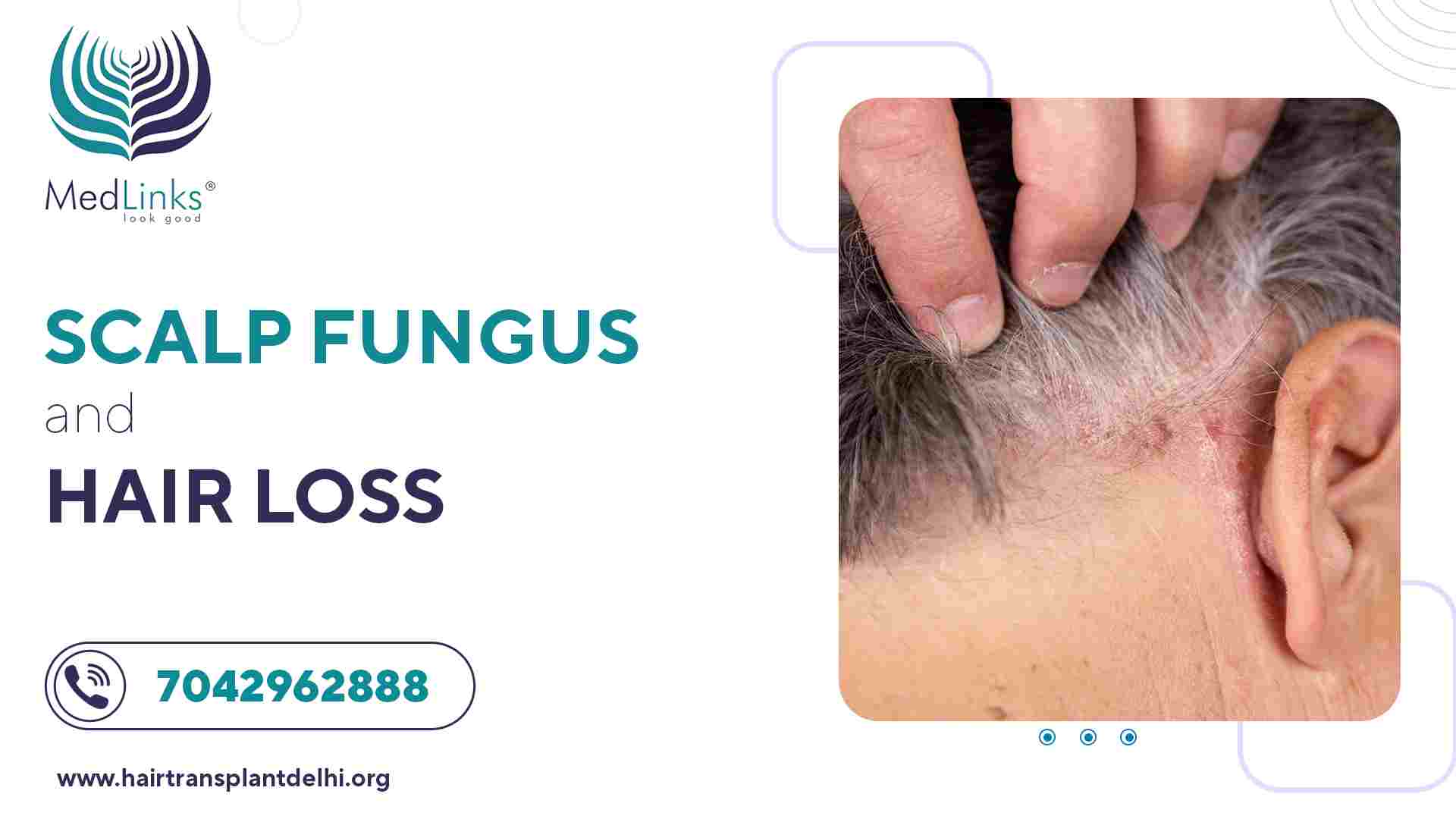
Specimens are wet-mounted in potassium hydroxide and examined under a light microscope for the presence of hyphae and spores. Clinical features vary according to the species of dermatophyte, type of hair invasion, and the extent of the inflammatory host response. In all types, partial hair loss with some degree of inflammation is characteristic. Both conditions cause bumps to appear on your face, scalp and upper body.
Symptoms vary between infections, though most cause redness, itching, and sometimes pus. Recognizing the differences can help a person get the right treatment. Applying specialized creams or ointments or using a medicated shampoo can usually clear up scalp infections. Fungal infections can be challenging to prevent, but reducing your risk and not spreading the infection to others is possible.
The most common cause of folliculitis is a bacterial infection of the deep hair follicle. In the initial stages, folliculitis may look like a rash, a patch of small bumps, or yellow- or white-tipped pimples. Folliculitis patches may appear red or pink on light skin tones. On darker skin tones, it may appear darker than the surrounding skin and may contain red, or purple hues. Folliculitis affects the hair-bearing areas of the body, often the arms, head, and face.
It’s important to apply them 2 to 3 hours before or after applying any creams. They can be found in soil, in the air, or even inside the body. These microscopic organisms typically don’t cause any problems for your skin unless they multiply faster than normal or penetrate the skin through a cut or lesion.
It is important to consult a healthcare professional for proper diagnosis and guidance on the most suitable treatment plan. When it comes to treating fungal infections in hair, it is important to target both the fungus causing the infection and the symptoms it produces. It's important to note that symptoms of this fungal infection can vary from person to person, so it's possible that you may not experience all of these symptoms. However, if you suspect you have a scalp ringworm, it's essential to see your provider for proper diagnosis and treatment. If your scalp yeast infection lasts for a long time, you may accumulate a lot of flakes and dead skin. Frequently scratching or applying drying chemicals to the affected area can also damage hair follicles.




No comments:
Post a Comment